Yang's Kitchen
Chinese home cooking recipe
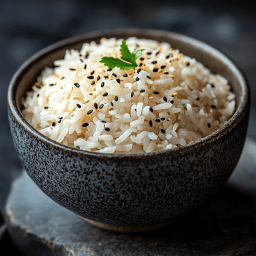
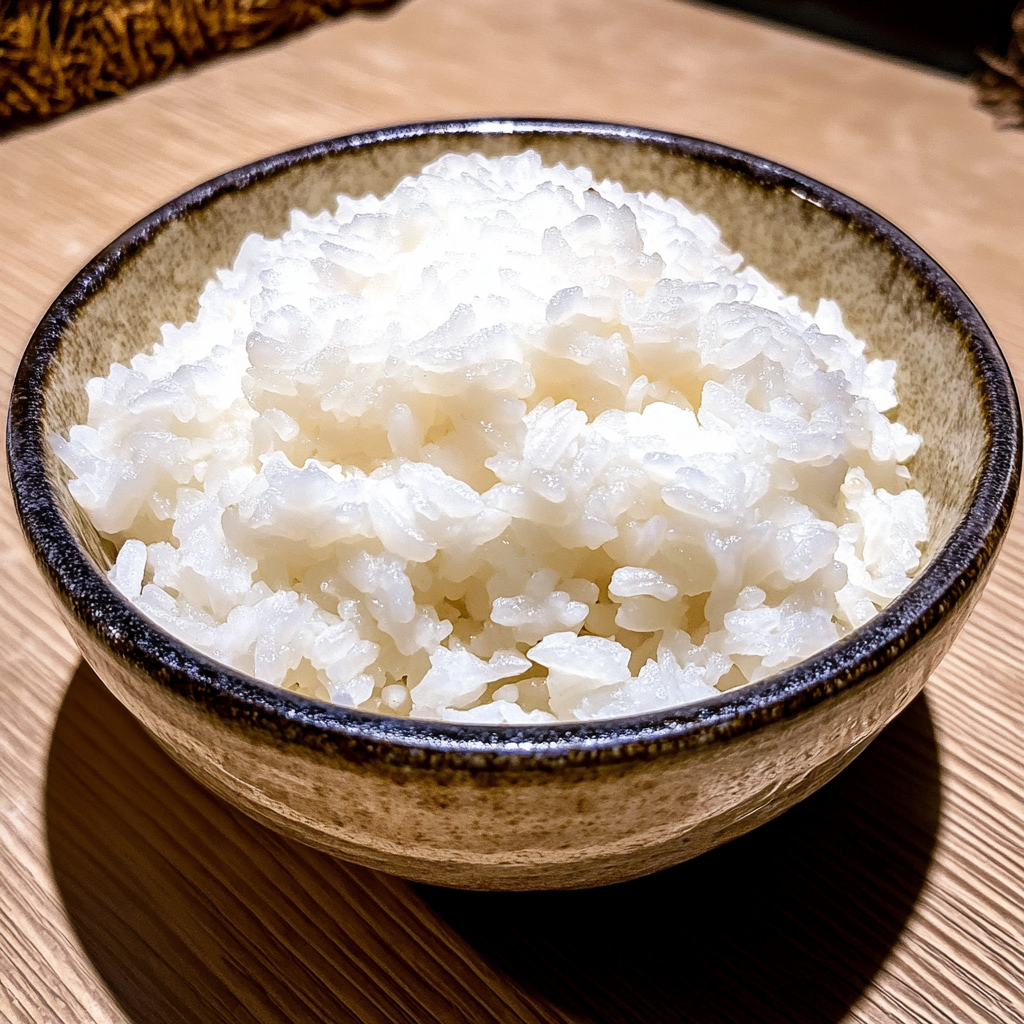
Steamed Rice 焖米饭
Instructions
- Selecting Rice: choosing fresh, high-quality rice is very important. Generally, you can choose from long-grain rice, short-grain rice, glutinous rice, etc., depending on personal preference. However, fresh rice yields more fragrant and better-textured rice.
- Washing Rice: washing rice helps remove dust and impurities from the surface.
- Wash the rice 2-3 times with clean water, gently rubbing it with your hands each time, until the water becomes clear. Avoid rubbing too hard, as this may cause the loss of nutrients in the rice.
- Soaking Rice: soaking the rice allows the grains to absorb water, making the cooked rice more even and soft. The soaking time varies depending on the type of rice:
- For fresh rice, soak it for 15-30 minutes.
- For older rice (rice that has been stored for a while), soak it for 30 minutes to 1 hour.
- If the soaking time is too short, the grains may not absorb enough water, resulting in rice that is not soft enough. If soaked too long, the grains may become too soft, affecting the texture.
- Rice to Water Ratio [key point]: The ratio of rice to water is key to the texture of the rice. A general reference ratio is between 1:1.2 and 1:1.5. If you prefer softer rice, you can add a little more water, while for firmer rice, use slightly less water.
- Steaming Process
- Steaming Rice in a Rice Cooker
- Add the washed and soaked rice into the rice cooker and add water.
- Close the lid and start the rice cooker on the “cook rice” setting.
- Once the rice is cooked, let it sit in the rice cooker for 10-15 minutes to allow the rice to fully absorb the moisture, making it fluffier.
- Steaming Rice in a Regular Pot
- Bring water to a boil, add the washed and soaked rice along with the appropriate amount of water to the pot. Cook over high heat until the water comes to a boil again.
- Before the water boils, avoid covering the pot to prevent it from overflowing.
- Once the water boils, immediately reduce the heat to medium-low and let the rice continue cooking. Do not cover the pot at this point to allow the water to evaporate slowly. Be careful not to use high heat, as the water could evaporate too quickly. Stir the rice gently a few times with a spoon to ensure even heat distribution.
- Cook until most of the water has been absorbed or evaporated (this usually takes 5-10 minutes), and the surface of the rice will begin to appear.
- Once the water is nearly absorbed, turn the heat to the lowest setting, cover the pot, and let the rice steam for 10-15 minutes. During this time, the rice will continue to absorb the remaining water and fully cook. Do not open the lid frequently while steaming, as this will release steam and affect the rice’s texture.
- Once the rice is done, turn off the heat but do not open the lid immediately. Keep the lid on and let it sit for an additional 10 minutes. This will make the rice even softer and prevent the grains from sticking together.
- Open the lid and fluff the rice gently with a spoon to release excess steam, making the rice fluffy and separate.
- Steaming Rice in a Rice Cooker
Key Points for Perfect Rice
- High heat to bring the water to a boil: To heat the water quickly.
- Medium to low heat to cook the rice: Prevents the water from evaporating too quickly and ensures the rice absorbs water evenly.
- Low heat to steam the rice: Ensures the rice is thoroughly cooked and not undercooked.
- Steaming after turning off the heat: Makes the rice softer and more aromatic.
Tips
If you’re worried about the rice sticking to the bottom of the pot, you can rub a thin layer of oil on the bottom of the pot before cooking to prevent sticking. Heat control is key to success. When steaming on low heat, be careful not to use too much heat, as it could cause the rice to burn.
Recipe by Yang’s Kitchen
 Yang's Kitchen
9 responses to “How to Make Fluffy Steamed Rice at Home”
[…] Steamed Rice […]
LikeLike
[…] Steamed Rice […]
LikeLike
[…] Steamed Rice […]
LikeLike
[…] Steamed Rice […]
LikeLike
[…] Steamed Rice […]
LikeLike
[…] Steamed Rice […]
LikeLike
[…] Steamed Rice […]
LikeLike
[…] Steamed Rice […]
LikeLike
[…] Steamed Rice […]
LikeLike